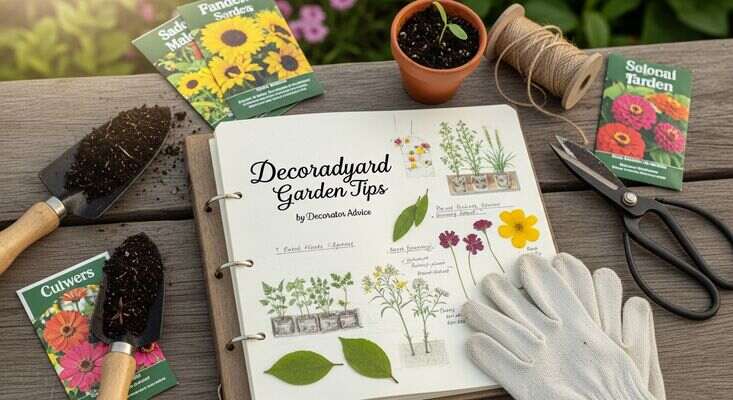
Decoradyard Garden Tips by DecoratorAdvice: Practical Ideas for a Beautiful and Functional Outdoor Space
Decoradyard garden tips by decoratoradvice offer practical and well-structured guidance for designing outdoor spaces that are both visually appealing and highly functional. These recommendations emphasize careful layout planning, climate-appropriate plant selection, cohesive color coordination, and the use of durable outdoor materials.
In addition, they encourage sustainable gardening practices, including efficient irrigation and low-maintenance landscaping solutions. By applying decoradyard garden tips by decoratoradvice, homeowners can enhance curb appeal, improve usability, and maintain long-term garden health. This approach ensures that every outdoor space reflects thoughtful planning, aesthetic balance, and consistent care.
Table of Contents
Toggle1. Understanding the Vision Behind Decoradyard Garden Tips
When people search for “decoradyard garden tips by decoratoradvice,” they are usually looking for guidance that blends beauty with practicality. A well-designed garden should feel inviting, organized, and easy to maintain. At the same time, it should reflect your personality and suit your lifestyle. That balance is exactly what thoughtful garden planning aims to achieve.
DecoratorAdvice promotes the idea that a garden is an extension of your home. Therefore, you should approach it with the same attention to layout, color coordination, and functionality. Instead of randomly placing plants and furniture, start with a clear vision. Ask yourself how you want to use the space. Will it be a relaxation corner, a family gathering area, or a decorative front-yard display? Once you answer these questions, every design choice becomes easier and more purposeful.
2. Planning Your Garden Layout with Purpose
A successful garden begins with smart planning. Before planting anything, evaluate the size, sunlight exposure, soil quality, and existing structures in your yard. These factors directly influence plant selection and furniture placement. For example, shaded areas require different plant varieties compared to sunny spots. By observing your space carefully, you prevent costly mistakes later.
In addition, consider how people will move through the garden. Pathways, stepping stones, and clear walking areas improve both safety and visual flow. Instead of cluttering the yard, create defined zones. You might dedicate one area to seating, another to flowers, and a separate corner to vegetables or herbs. This structured approach enhances both aesthetics and usability.
3. Choosing Plants That Suit Your Climate and Lifestyle
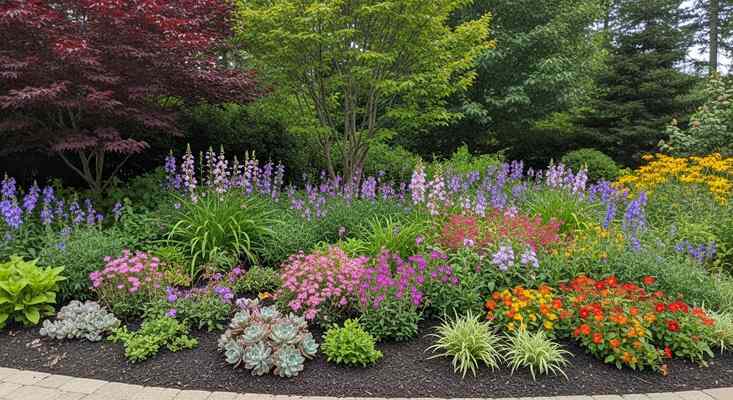
Plant selection plays a crucial role in long-term success. Many homeowners choose plants based only on appearance. However, DecoratorAdvice recommends prioritizing climate compatibility and maintenance level. Native plants, for instance, typically require less water and adapt better to local weather conditions. As a result, they thrive with minimal effort.
Moreover, think about your daily routine. If you travel frequently or have a busy schedule, low-maintenance plants are ideal. Succulents, hardy shrubs, and perennial flowers can provide year-round interest without constant care. On the other hand, if gardening is your hobby, you may enjoy seasonal flowers and specialty plants that require extra attention. Matching plant choices to your lifestyle ensures that your garden remains beautiful instead of becoming a burden.
4. Creating Visual Harmony Through Color Coordination
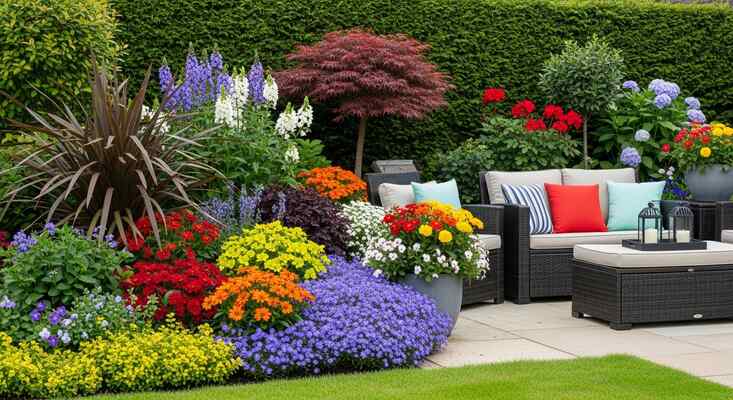
Color coordination significantly affects the overall appearance of your garden. Instead of mixing too many contrasting shades, aim for a cohesive palette. You might choose warm tones like reds, oranges, and yellows for a vibrant look. Alternatively, soft purples, whites, and blues create a calming atmosphere.
Transitioning between colors smoothly also improves visual appeal. For example, plant darker flowers toward the back and lighter shades toward the front. This technique creates depth and dimension. In addition, coordinate plant colors with outdoor furniture, cushions, and decorative pots. When all elements complement each other, your garden feels thoughtfully designed rather than accidental.
5. Incorporating Functional Outdoor Furniture
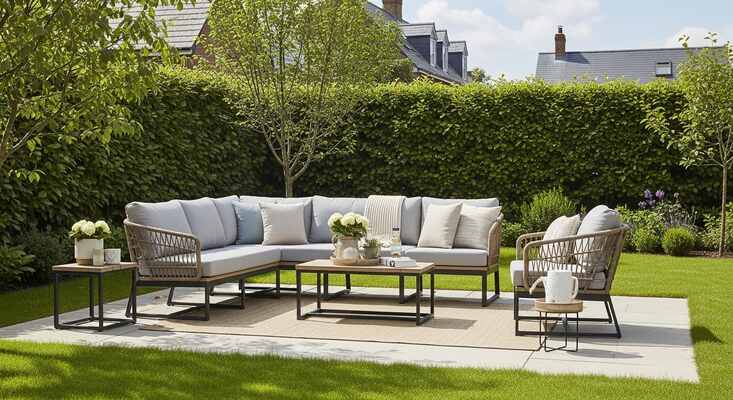
Garden décor should never compromise comfort. According to practical decoradyard garden tips by decoratoradvice, furniture must serve both style and function. Start by selecting weather-resistant materials such as treated wood, metal, or rattan designed for outdoor use. Durable furniture reduces maintenance and extends lifespan.
Furthermore, consider scale and proportion. Oversized furniture can overwhelm a small yard, while tiny chairs may look lost in a spacious garden. Measure your space carefully before purchasing. Then, arrange seating in a way that encourages conversation and relaxation. Adding cushions and outdoor rugs also enhances comfort while reinforcing your chosen color scheme.
6. Adding Lighting for Atmosphere and Safety
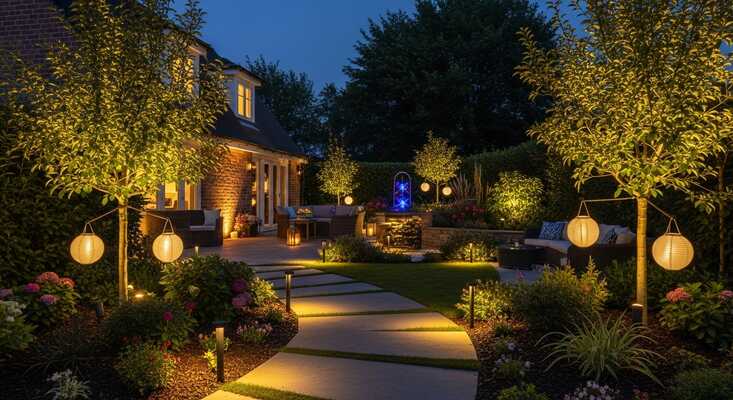
Outdoor lighting transforms a garden after sunset. Without proper lighting, even the most attractive yard can appear dull or unsafe at night. Therefore, integrate layered lighting solutions. Pathway lights improve visibility, while string lights or lanterns create warmth and ambiance.
Additionally, highlight key features such as trees, water elements, or architectural details with subtle spotlights. This approach adds depth and draws attention to focal points. Solar-powered lights are an energy-efficient option and easy to install. By combining functionality with mood-enhancing elements, lighting turns your garden into an evening retreat.
Also Raed: Decoration Tips Decoradyard: Practical Ideas to Create a Comfortable, Stylish Home
7. Using Decorative Elements Strategically
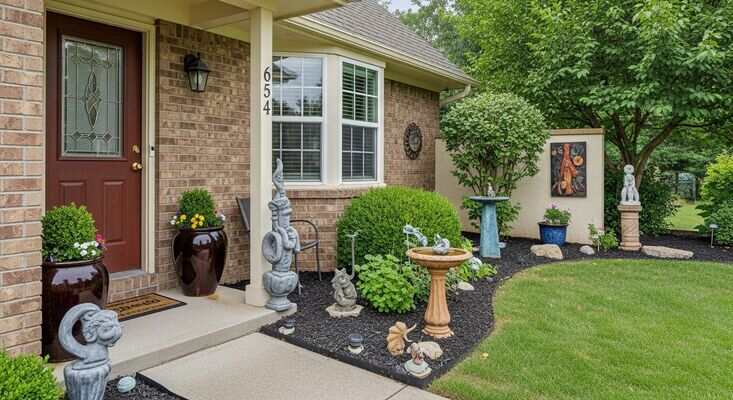
Decorative accents personalize your outdoor space. However, moderation is essential. Instead of overcrowding the yard with ornaments, select a few meaningful pieces. Garden sculptures, ceramic pots, birdbaths, or wall art can add character when placed thoughtfully.
Position decorative elements where they naturally attract attention. For example, place a statement planter near the entrance or a sculpture at the end of a pathway. This method creates intentional focal points. At the same time, leave enough open space to maintain balance. A well-edited garden feels elegant and organized rather than chaotic.
8. Maintaining Your Garden Throughout the Seasons
Even the best design requires consistent maintenance. Regular watering, pruning, and cleaning keep your garden healthy and attractive. Instead of waiting for problems to appear, establish a simple maintenance schedule. Weekly checks help you identify pests, weeds, or plant diseases early.
Seasonal updates also keep your garden fresh. Replace fading annual flowers with new varieties suited to the upcoming season. Refresh mulch and clean outdoor furniture periodically. These small efforts protect your investment and preserve the overall design. Consistency ensures that your decoradyard garden continues to look well-kept year-round.
9. Creating Privacy Without Sacrificing Style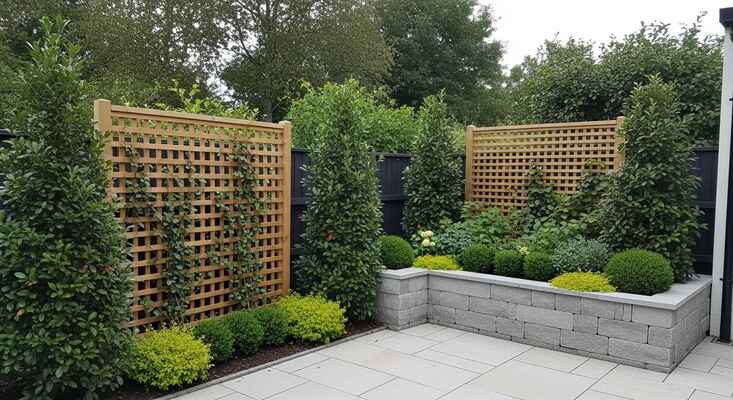
Privacy enhances comfort, especially in urban settings. Fortunately, you can create privacy without building unattractive barriers. Tall shrubs, climbing plants, and decorative screens provide natural separation while maintaining visual appeal.
For instance, install a wooden lattice panel and allow vines to grow across it. Over time, the greenery softens the structure and blends it into the landscape. Similarly, layered planting with varying heights blocks unwanted views while adding dimension. Thoughtful privacy solutions make your garden feel secluded yet welcoming.
10. Designing a Focal Point That Anchors the Space
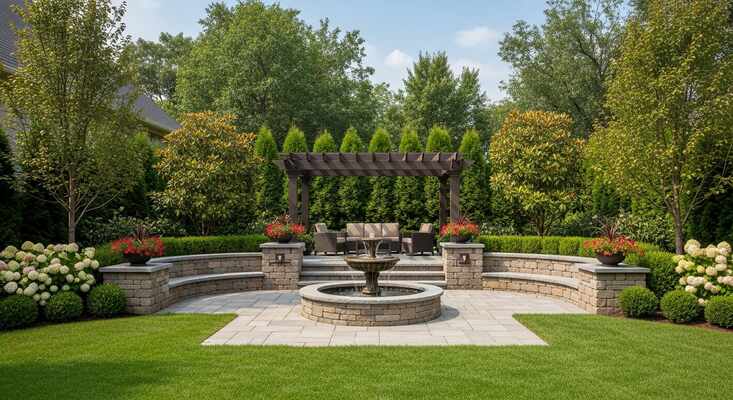
Every well-planned garden benefits from a clear focal point. Without one, the space can feel scattered or unfinished. A focal point gives the eye a place to rest and creates structure within the overall layout. It could be a water fountain, a statement tree, a pergola, or even a carefully arranged flower bed. The key is intention.
First, identify the natural center of attention in your yard. Then, build around it. For example, if you install a small fountain, frame it with symmetrical plants or subtle lighting. If you prefer a pergola, position seating underneath to create a functional gathering area. By anchoring your design around one strong feature, the entire garden feels cohesive and thoughtfully arranged.
11. Blending Hardscaping with Soft Landscaping
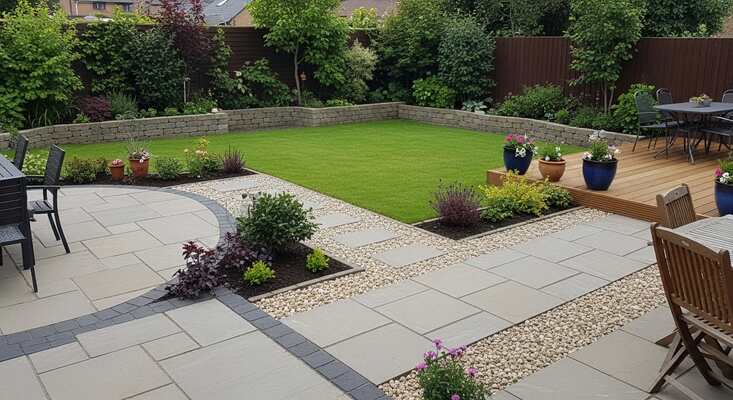
A garden becomes more balanced when hard elements and greenery work together. Hardscaping includes patios, stone paths, decks, retaining walls, and decorative gravel. Soft landscaping refers to plants, grass, and flowers. When these two components complement each other, the yard looks structured yet natural.
For example, a stone pathway lined with low-growing plants adds charm while guiding movement. Similarly, a wooden deck surrounded by potted plants softens rigid lines. Instead of treating hard surfaces as separate from nature, integrate them carefully. This combination adds durability, reduces mud or erosion, and enhances overall visual appeal.
12. Smart Watering and Sustainable Practices
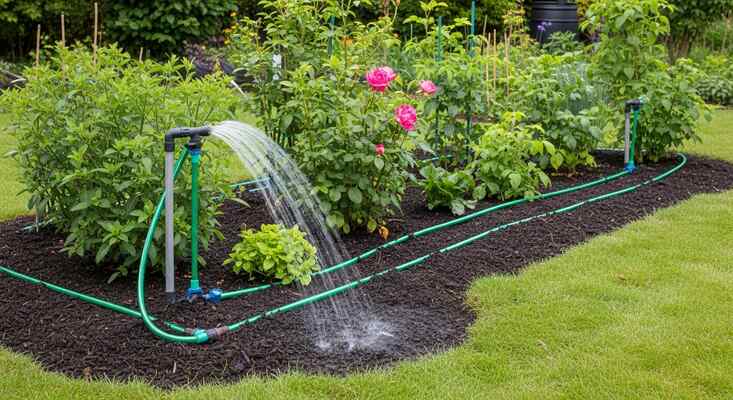
Sustainability has become a major focus in modern gardening. Following decoradyard garden tips by decoratoradvice means thinking long-term. Efficient watering systems, such as drip irrigation or soaker hoses, deliver water directly to plant roots. As a result, you reduce waste and improve plant health.
In addition, collect rainwater whenever possible. Even a simple rain barrel can make a difference. Mulching around plants also helps retain moisture and regulate soil temperature. By choosing environmentally responsible methods, you lower maintenance costs while supporting a healthier ecosystem. Sustainable practices benefit both your garden and the planet.
13. Making Small Gardens Feel Spacious
Limited space does not mean limited beauty. In fact, smaller gardens often feel more intimate and manageable. The secret lies in strategic design choices. Vertical gardening, for instance, maximizes wall space and draws the eye upward. Hanging planters, wall-mounted shelves, and climbing plants add greenery without crowding the ground.
Mirrors can also create the illusion of depth when placed carefully on fences or walls. Light-colored paving and furniture further enhance openness. Additionally, keep decorations minimal in compact spaces. Clean lines and uncluttered layouts make even a tiny yard feel airy and inviting. With smart planning, small gardens can deliver a strong visual impact.
14. Incorporating Seasonal Themes and Decorative Updates
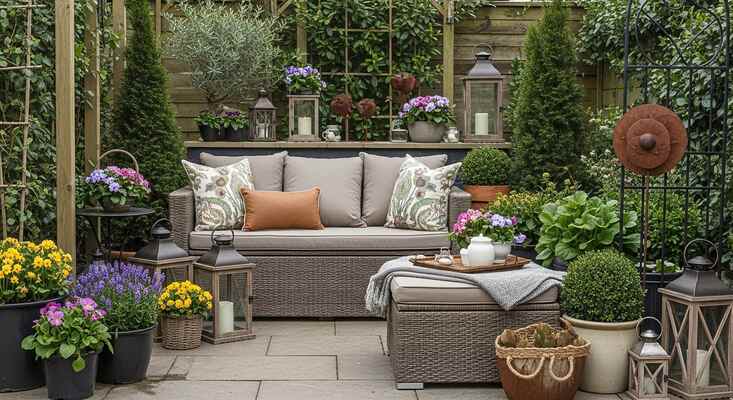
Refreshing your garden décor throughout the year keeps it dynamic and engaging. Seasonal flowers, cushions, and decorative accents add variety without requiring a full redesign. For example, bright blooms and colorful textiles suit spring and summer. Meanwhile, earthy tones and lanterns complement autumn settings.
During cooler months, evergreen plants maintain structure and greenery. You can also introduce weather-resistant decorative elements like metal art or ceramic pots that withstand changing conditions. By rotating small details seasonally, your garden stays relevant and visually interesting without major expense.
15. Encouraging Wildlife for a Balanced Ecosystem
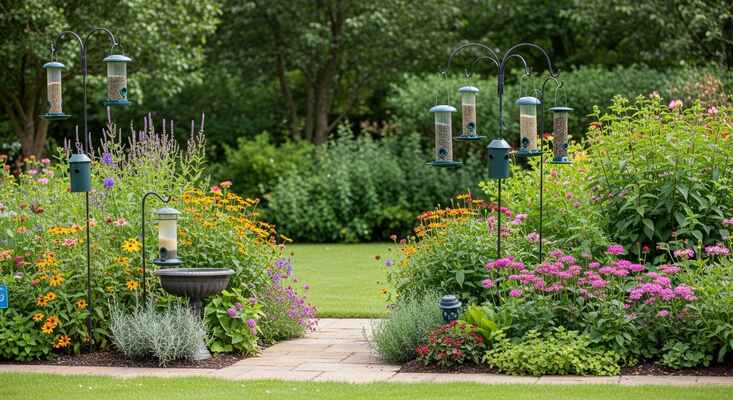
A healthy garden supports beneficial wildlife. Birds, butterflies, and pollinators contribute to plant growth and natural pest control. Therefore, consider adding bird feeders, nectar-rich flowers, or small water sources. These elements create a lively and balanced environment.
Native plants often attract local pollinators naturally. In addition, avoid excessive chemical pesticides, as they can disrupt the ecosystem. Instead, rely on natural solutions when possible. When your garden welcomes wildlife responsibly, it becomes more vibrant and self-sustaining.
16. Keeping Safety and Accessibility in Mind
Safety should always remain a priority, especially in family gardens. Clear pathways, stable seating, and non-slip surfaces prevent accidents. If children or elderly family members use the space, ensure easy access and remove sharp or hazardous décor.
Furthermore, proper lighting reduces nighttime risks. Keep electrical installations weatherproof and secure. By planning with safety in mind, you create an environment where everyone feels comfortable. A beautiful garden should also be practical and secure.
17. Investing in Long-Term Value and Consistency
Consistency transforms a garden from average to refined. Instead of constantly changing themes, build around a stable foundation. Select durable materials, invest in quality plants, and maintain a cohesive color scheme. Over time, this consistency enhances visual harmony.
Moreover, regular care preserves property value. A well-maintained garden improves curb appeal and leaves a strong impression on visitors. Whether you plan to stay in your home for years or eventually sell it, thoughtful landscaping adds measurable value. Treat your garden as an investment rather than a temporary project.
Conclusion: Building a Garden That Reflects Style and Purpose
Decoradyard garden tips by decoratoradvice emphasize thoughtful planning, balanced design, and consistent care. A successful garden combines visual harmony, functionality, sustainability, and personal expression. By selecting climate-appropriate plants, incorporating purposeful décor, and maintaining seasonal updates, you create a space that feels welcoming throughout the year.
Most importantly, approach your garden with intention. Make decisions based on your lifestyle, environment, and long-term goals. When you prioritize comfort, structure, and sustainability, your outdoor space becomes both beautiful and practical. With patience and regular attention, your garden can serve as a relaxing retreat, a gathering space, and a source of pride for years to come.
Visit Bedding Expertise for more valueable informational topics!
Share this:
- Share on Facebook (Opens in new window) Facebook
- Share on X (Opens in new window) X
- Email a link to a friend (Opens in new window) Email
- Share on LinkedIn (Opens in new window) LinkedIn
- Share on Reddit (Opens in new window) Reddit
- Share on X (Opens in new window) X
- Share on Tumblr (Opens in new window) Tumblr
- Share on Pinterest (Opens in new window) Pinterest
- Share on Pocket (Opens in new window) Pocket
- Share on Telegram (Opens in new window) Telegram
- Share on WhatsApp (Opens in new window) WhatsApp
- Share on Nextdoor (Opens in new window) Nextdoor